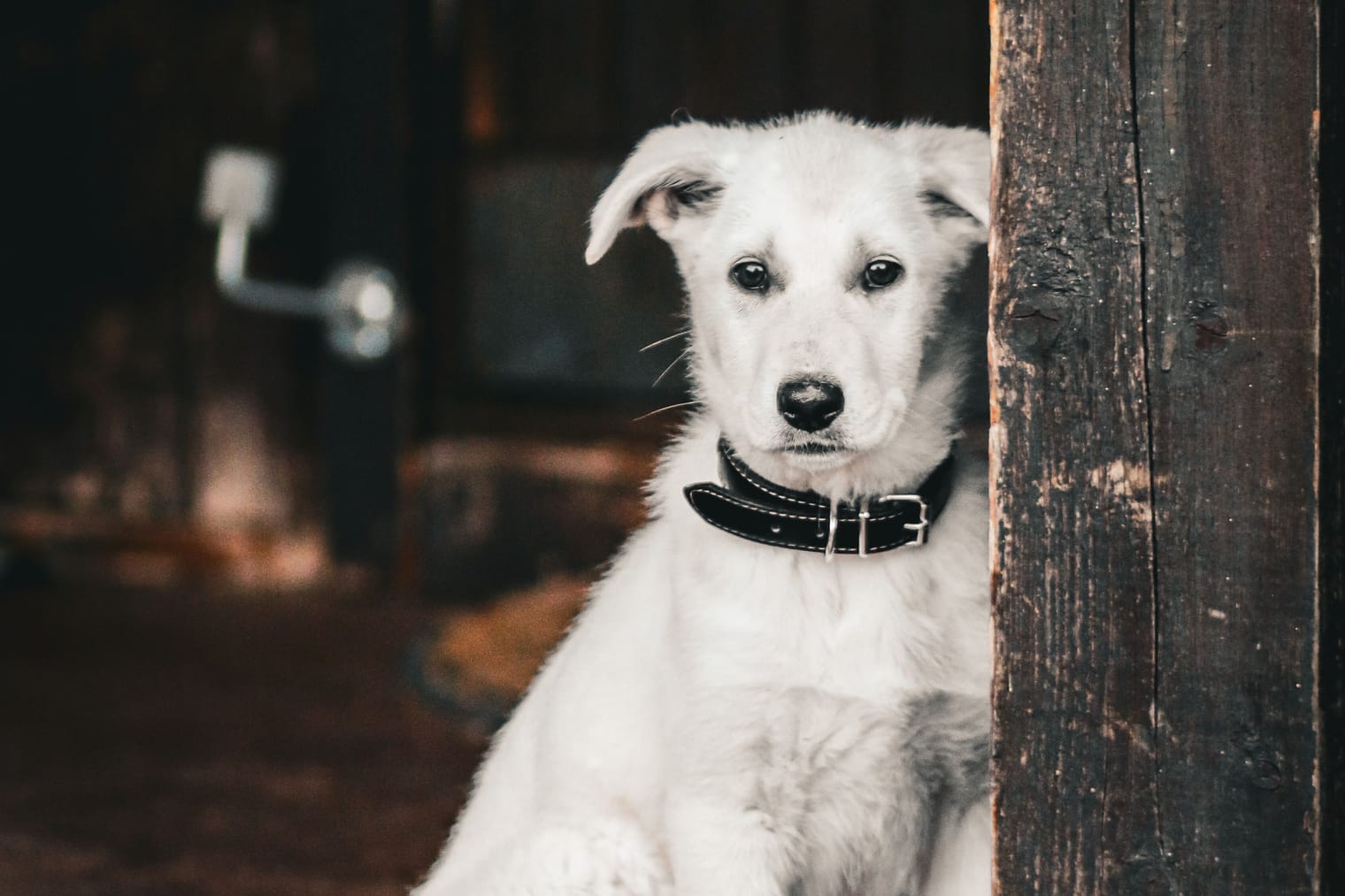
Learning to be alone is one of the first big things a puppy has to master, and it is not something they know how to do. Left too long too soon, a puppy can become genuinely distressed and start to dread being on their own. Taught a little at a time, most learn to settle calmly for a few hours. Two things matter: how long you leave them for their age, and building up to it slowly.
How long by age: a simple guide
The most useful rule of thumb is one hour of alone time for every month of age, up to a maximum of around four hours. It lines up roughly with how long a puppy can comfortably hold their bladder, which is often the limiting factor. As a guide:
- Under 10 weeks: only a few minutes at a time. A very young puppy should rarely be truly alone.
- 10 to 12 weeks: up to about an hour.
- 3 to 4 months: around two hours.
- 4 to 6 months: around three hours.
- 6 months and older: up to about four hours.
Four hours is a sensible ceiling for a puppy, and for most adult dogs too. No puppy should be left alone all day.
Why you cannot just leave them
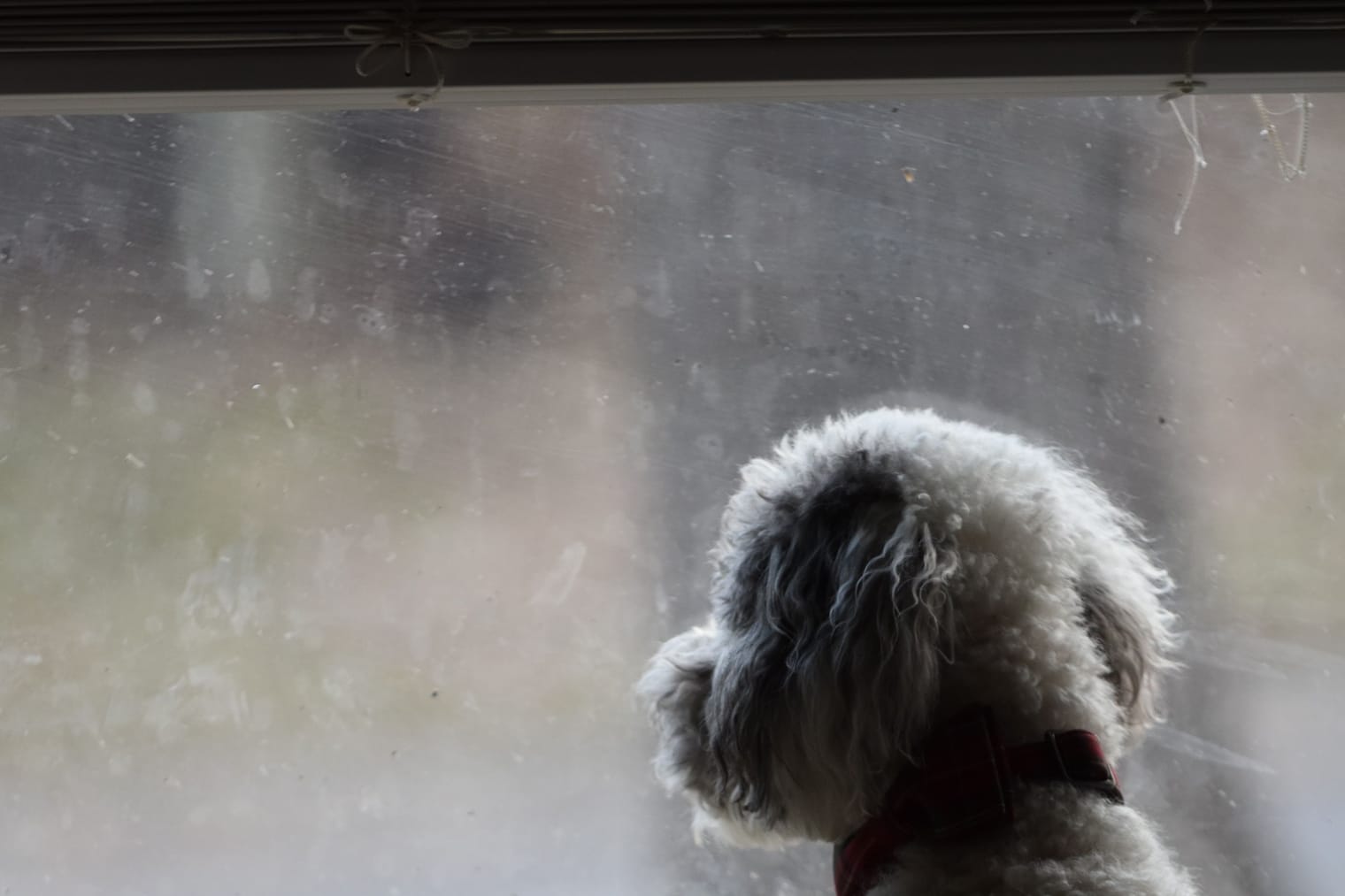
There are two reasons a puppy cannot be left for long. The first is physical: a young bladder cannot hold on, so a long stretch alone means an accident and a setback for toilet training. The second is emotional. Your puppy has spent every day of their life surrounded by their family, and being suddenly alone for hours can be genuinely frightening. Being alone is a skill you teach a little at a time, not something to throw them into.
How to build up alone time
Teach it in small steps, starting while you are still at home:
- Start with seconds, not hours. Step into another room and close the door for a few seconds, then come back. Slowly stretch the time out.
- Keep comings and goings calm. No emotional goodbyes and no excited reunions. If leaving and returning are quiet non-events, your puppy learns there is nothing to worry about.
- Give them something to do. A safe chew or a stuffed, frozen food toy turns being alone into something pleasant.
- Use a safe space. A crate or playpen your puppy already likes gives them a cosy den rather than the run of the house. Our guide on crate training shows how.
- Practise short real absences. Once they settle happily in another room, try leaving the house for five or ten minutes, then build from there.
Setting them up before you leave
- Toilet first. Take them out for a wee right before you go.
- A safe, puppy-proofed space. A playpen, crate or single puppy-proofed room, with nothing they could chew and hurt themselves on.
- Water and comfort. Fresh water, comfy bedding, and a comfortable temperature.
- Something to settle with. A safe chew or food toy, and perhaps some quiet background sound.
- A toilet option for longer trips. Puppy pads down if they cannot yet hold on for the whole time you will be gone. Our toilet training guide covers the routine.
If you work full time
You cannot leave a puppy alone for eight hours, so a full working day needs a plan. Good options are coming home at lunch, a dog walker or pet sitter, doggy daycare, or a friend or family member to break up the day. Many owners take a week or two off when their puppy first arrives. The best time to sort this out is before you bring your puppy home, so those early weeks are covered.
Signs of separation anxiety
If a puppy is left too long too soon, being alone can tip from boredom into real distress. Watch for constant barking or howling, chewing or scratching at doors and windows, toileting indoors despite being house-trained, drooling, or becoming frantic as you get ready to leave. If you notice these, build up alone time more slowly and speak to your vet or a qualified behaviourist. Never tell them off for it, as punishment makes a frightened puppy more anxious, not less.
When it gets easier
It does get easier, and quickly. As their bladder grows and alone time is practised, most puppies handle three to four hours comfortably by around six months, and a normal adult routine, ideally still with a midday break, by the time they are grown. Put the groundwork in now with short, calm, positive absences and you are giving them a skill that lasts a lifetime.
Building the routine? Vivlo helps you track toilet trips, naps and daily rhythm, so you can see how long your puppy can comfortably settle and get gentle reminders that stop a long stretch alone sneaking up on you. And Ask Pip is there for the "is this normal?" moments. It is friendly general guidance, never a substitute for your vet.
See how it worksCommon questions
How long can I leave my puppy alone?
Not long at first. A rough guide is one hour for every month of age, up to a maximum of about four hours once they are older. So an eight-week-old puppy should only be alone for short spells, building to around two hours by three months and three to four hours by six months. Just as important as the total is building up to it slowly.
Can I leave my puppy alone while I go to work?
A young puppy cannot be left for a full working day. They cannot hold their bladder that long, and being alone for hours can frighten them. If your days are long, arrange a midday break: come home at lunch, book a dog walker or sitter, use doggy daycare, or ask a family member to help. Plan this before your puppy comes home.
How do I get my puppy used to being alone?
Teach it gradually as a skill. Start with a few seconds in another room while you are still at home, then slowly build the time up. Keep departures and returns calm and low-key, leave them with a safe chew or stuffed food toy, and use a crate or playpen as a cosy safe space. Never go straight from constant company to a long absence.
How long can a puppy be left alone at night?
Longer than in the day, because they are asleep, but a young puppy still cannot last the whole night without a toilet trip. Expect a wee once or twice for the first few weeks. For the daytime, stick to the one-hour-per-month guide. Most puppies sleep through by around four months as their bladder grows.
What are the signs of separation anxiety in a puppy?
Signs include constant barking or howling when you leave, chewing or scratching at doors, toileting indoors despite being trained, drooling, pacing, or becoming frantic as you get ready to go. If you see these, build up alone time more slowly and speak to your vet or a qualified behaviourist. Never punish it, as that makes the fear worse.
Is it cruel to leave a puppy alone?
No. Learning to be alone calmly is a healthy, important skill, and short absences are good for your puppy. What is unfair is leaving a young puppy alone for too long, too soon, before they can cope or hold their bladder. Keep early absences short, build up gradually, and make sure someone breaks up any long day.